
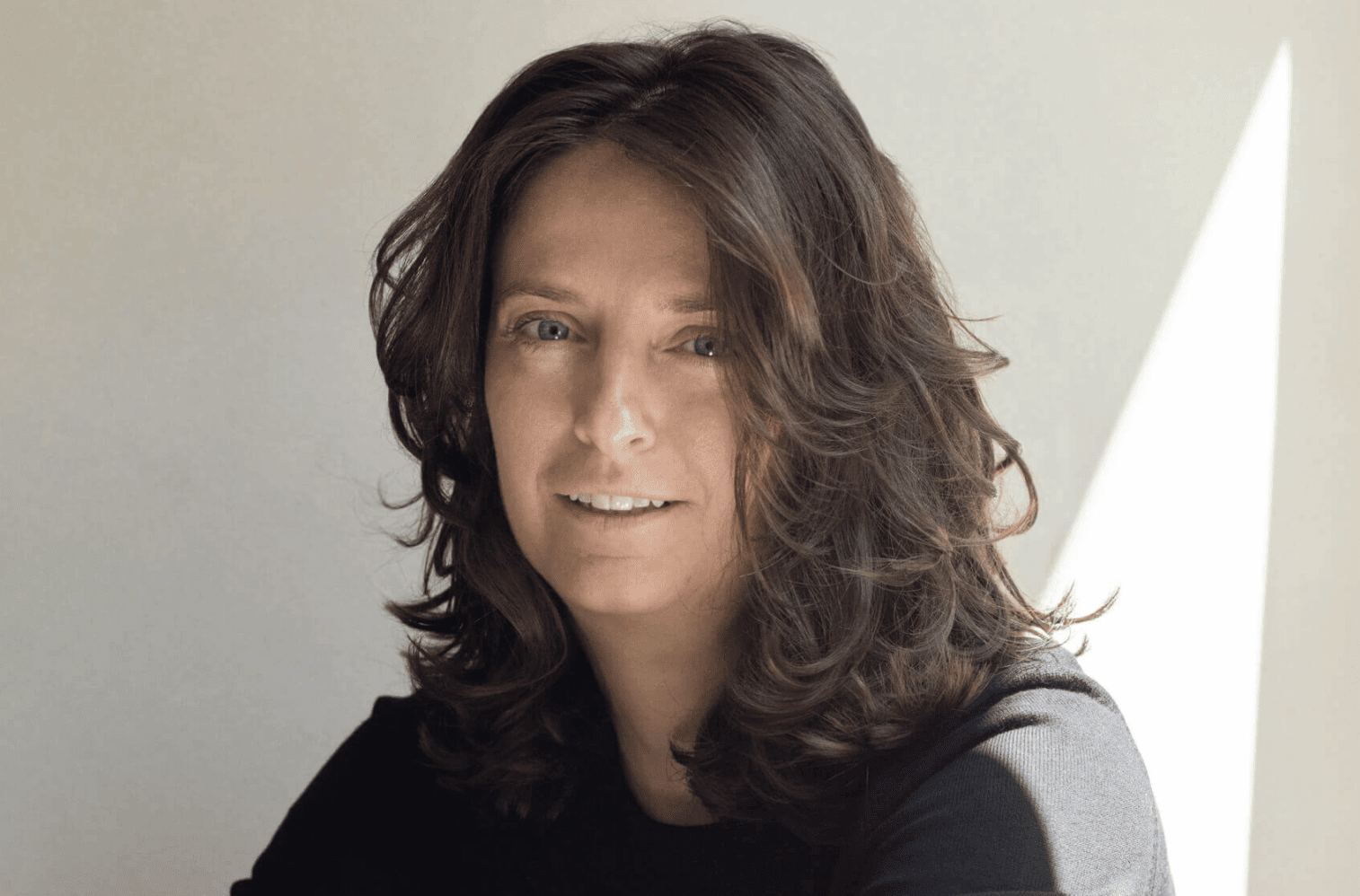
Interview to carlotta fortuna
How did you start making drawings for Amini? Have you always been interested in stories and narratives dealing with carpets, or was it a revelation that came to you quite by chance some years ago?
Amini has been part of my career since 2016; at that time I was a textile designer of silk scarves in Como and trying to fulfil my ambition to express myself by drawing and painting as much as possible. I had struck a deal with my father: I would agree to complete my architecture degree and then I could finally enrol at the Fine Arts Academy. For a while, architecture completely blew me away. During my Erasmus studies, first at the École d’Architecture in Lyon and then at the University of Western Australia (UWA) in Perth, colleges with a far more artistic bent of mind than the Polytechnic, I made sure I followed as many landscape painting courses as I could. After completing my architecture studies, I was in no doubt that I would enrol at the Brera Academy of Fine Arts and that is just what I did. I switched from being in more or less stable full time jobs with reputable architecture firms, to working as a clerk in a furniture showroom in a job that allowed me to attend courses. Thanks to my work, I was able to travel a lot, and the experience I hold dearest in my heart was my time in New York, an exhilarating cultural reality.
One person and many roles inside Amini studio. In the work of the teams tasked with researching and developing colors and materials, and with fine-tuning the complex processing techniques employed in the various creations, there is more than a hint of Carlotta Fortuna. What would you say to be the strong points of the Amini collection?
We try to approach our work based on the wealth of different proposals. I mean, every job starts with different inputs and inspirations, they can come from all kinds of source, whether collaborations with other designers, or research work delving into historical archives, or even within the same collection of classic and vintage Amini carpets: a magical place we call the Vault, which can be visited at the company HQ. A great source of strength is the Amini family as a whole, who have built sound human relationships over the years that have enabled the brand to attract many different talented workers from all over the world.
Given the complexity of the choices to be made, ranging from the conception to the realization of the finished product, how can drawings taken from a historical archive be turned into a successful commercial product?
Working on historical archives is always an exciting experience, for it whets your professional curiosity, but also makes you aware of your desire not to let people down. You enquire and delve deeper into the artist’s imagery, uncovering unseen or unpublished works; the historiographical research based upon the artist’s biography and the historical frame of reference help to internalize the artist’s work and trait. Each project follows different paths. It is hard to describe a process that can be regarded as the same for all the subjects made. Over the years we have had several collaborations, with Archives such as the Gio Ponti, Manlio Rho, or Ico Parisi institutes, with art galleries and ancient weaving mills such as Bevilacqua, in Venice, and each of these relationships has borne different stories. I think we have to yield a little of ourselves so that someone else’s work may shine through, to give back what the artist wanted to convey, to adhere to the nature of the original period of the design.